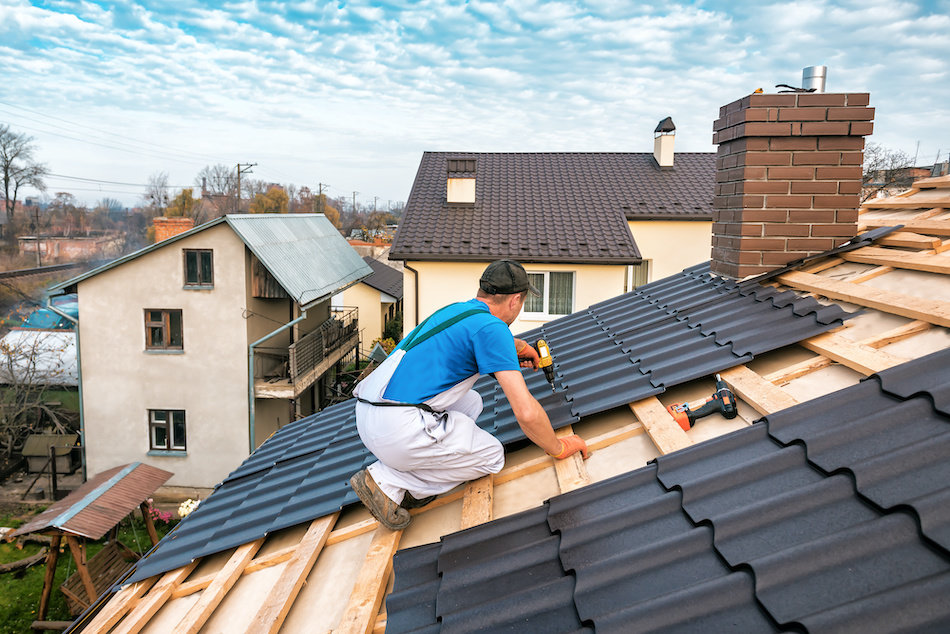
Selecting the right roofing material is one of the most important decisions homeowners make during construction or renovation. A roof protects the structure from weather damage, improves energy efficiency, enhances curb appeal, and influences long-term maintenance costs. The ideal roofing material depends on climate conditions, budget, durability expectations, and architectural style.
This guide explains the most practical roofing options available today and how to choose the best one for your home.
Why Roofing Material Selection Matters
A roof does more than cover a house. It directly affects structural safety, indoor comfort, and property value. Choosing wisely helps avoid costly repairs and improves long-term performance.
Key factors influenced by roofing material include:
- Weather resistance
- Lifespan and durability
- Thermal insulation efficiency
- Maintenance requirements
- Installation cost
- Appearance and resale value
Understanding these aspects helps homeowners make a practical and future-proof decision.
Popular Roofing Materials for Homes
Asphalt Shingles
Asphalt shingles are among the most widely used residential roofing materials because they balance affordability and reliability.
Advantages
- Budget-friendly installation
- Easy to repair or replace
- Available in many colors and textures
- Suitable for most architectural styles
Limitations
- Moderate lifespan compared to premium materials
- May degrade faster in extreme heat zones
Best suited for homeowners seeking a cost-effective roofing solution with dependable performance.
Metal Roofing
Metal roofing has become increasingly popular due to its durability and energy efficiency.
Advantages
- Long lifespan often exceeding 40 years
- Strong resistance against rain, wind, and fire
- Reflects heat and improves cooling efficiency
- Requires minimal maintenance
Limitations
- Higher initial installation cost
- Can be noisier during heavy rainfall without insulation
Ideal for regions with intense sunlight or heavy rainfall.
Clay and Concrete Tiles
Clay and concrete tiles are known for their distinctive appearance and long-term durability.
Advantages
- Extremely long lifespan
- Excellent heat resistance
- Enhances architectural character
- Suitable for hot climates
Limitations
- Heavy weight requires strong structural support
- Higher installation cost than shingles
Commonly preferred in warm regions where temperature control is essential.
Slate Roofing
Slate roofing represents one of the most premium residential roofing choices.
Advantages
- Exceptional lifespan often exceeding 75 years
- Highly resistant to fire and harsh weather
- Elegant natural appearance
- Minimal maintenance needs
Limitations
- Expensive material and installation
- Requires reinforced roof structure
Best suited for homeowners prioritizing longevity and premium aesthetics.
Wood Shingles and Shakes
Wood shingles and shakes offer a natural and rustic visual appeal.
Advantages
- Attractive traditional appearance
- Environmentally friendly option
- Provides natural insulation
Limitations
- Requires periodic maintenance
- Less resistant to fire unless treated
- Shorter lifespan compared to tile or slate
Ideal for cottages, heritage-style homes, and environmentally conscious homeowners.
Factors to Consider Before Choosing Roofing Material
Selecting the right roofing material requires evaluating practical conditions specific to your property.
Climate Conditions
Weather patterns directly affect roof durability.
Examples include:
- Metal roofing performs well in rainy areas
- Clay tiles suit hot climates
- Asphalt shingles adapt to moderate weather zones
- Slate handles extreme conditions effectively
Choosing climate-appropriate materials reduces repair costs over time.
Budget Planning
Roofing costs include both material and installation expenses.
Lower-cost materials like asphalt shingles work well for short-term planning, while premium options like slate provide long-term value through durability.
Balancing upfront cost with lifespan is essential.
Structural Strength of the House
Some roofing materials are heavier than others.
Heavy materials such as slate and clay tiles require reinforced support systems. Lightweight materials like asphalt and metal are suitable for most residential structures.
Consulting a structural professional before installation helps prevent future issues.
Maintenance Requirements
Maintenance needs vary significantly across materials.
Low-maintenance choices include:
- Metal roofing
- Slate roofing
Moderate-maintenance choices include:
- Asphalt shingles
- Wood shingles
Selecting materials aligned with your maintenance expectations ensures better long-term satisfaction.
Aesthetic Compatibility
Roofing should complement the home’s architecture.
Examples include:
- Clay tiles suit Mediterranean designs
- Wood shingles enhance rustic homes
- Slate matches heritage-style houses
- Metal roofing complements modern structures
A well-matched roof enhances visual harmony and property value.
Energy Efficiency Considerations
Roofing material influences indoor temperature control and energy consumption.
Energy-efficient roofing options:
- Reflect sunlight effectively
- Reduce cooling costs
- Improve insulation performance
- Maintain indoor comfort across seasons
Metal roofs and reflective tiles are particularly useful in warm climates.
Lifespan Comparison of Roofing Materials
Understanding expected durability helps homeowners choose wisely.
Typical lifespan ranges:
- Asphalt shingles: 15 to 30 years
- Wood shingles: 20 to 35 years
- Metal roofing: 40 to 70 years
- Clay tiles: 50 to 100 years
- Slate roofing: 75 to 150 years
Longer-lasting materials often justify higher upfront costs through reduced replacement frequency.
Installation Complexity and Labor Considerations
Roofing installation quality directly affects performance.
Some materials require specialized installation teams, including:
- Slate roofing
- Clay tiles
- Standing seam metal roofs
Simpler installation materials include asphalt shingles and corrugated metal panels.
Hiring experienced installers ensures structural safety and longer service life.
Environmental Impact of Roofing Materials
Eco-conscious homeowners often consider sustainability during material selection.
Environmentally responsible roofing options include:
- Recyclable metal roofing
- Sustainably sourced wood shingles
- Long-lasting slate roofing that reduces replacement waste
Choosing durable materials helps minimize environmental impact over time.
Conclusion
Choosing the right roofing material involves balancing durability, budget, climate suitability, and visual appeal. Each material offers distinct advantages depending on household priorities and regional conditions. Homeowners who evaluate these factors carefully can select a roofing solution that delivers long-term protection, efficiency, and value.
Frequently Asked Questions
1. Which roofing material is best for hot climates?
Clay tiles and metal roofing are excellent choices because they reflect heat and maintain cooler indoor temperatures.
2. How often should a residential roof be inspected?
A roof should be inspected at least once a year and after severe storms to detect early signs of damage.
3. Can roofing material affect home resale value?
Yes. Durable and visually appealing roofing materials increase property attractiveness and buyer confidence.
4. Is metal roofing suitable for coastal areas?
Yes. Metal roofs with protective coatings resist corrosion and perform well in humid coastal environments.
5. Are lightweight roofing materials better for older homes?
Lightweight materials such as asphalt shingles and metal roofing are generally safer for structures with limited load-bearing capacity.
6. Does roof color influence indoor temperature?
Yes. Light-colored roofing reflects sunlight and helps keep interiors cooler compared to darker shades.
7. What signs indicate it is time to replace a roof instead of repairing it?
Common signs include widespread leaks, missing shingles, sagging structure, and visible aging beyond the material’s expected lifespan.
